

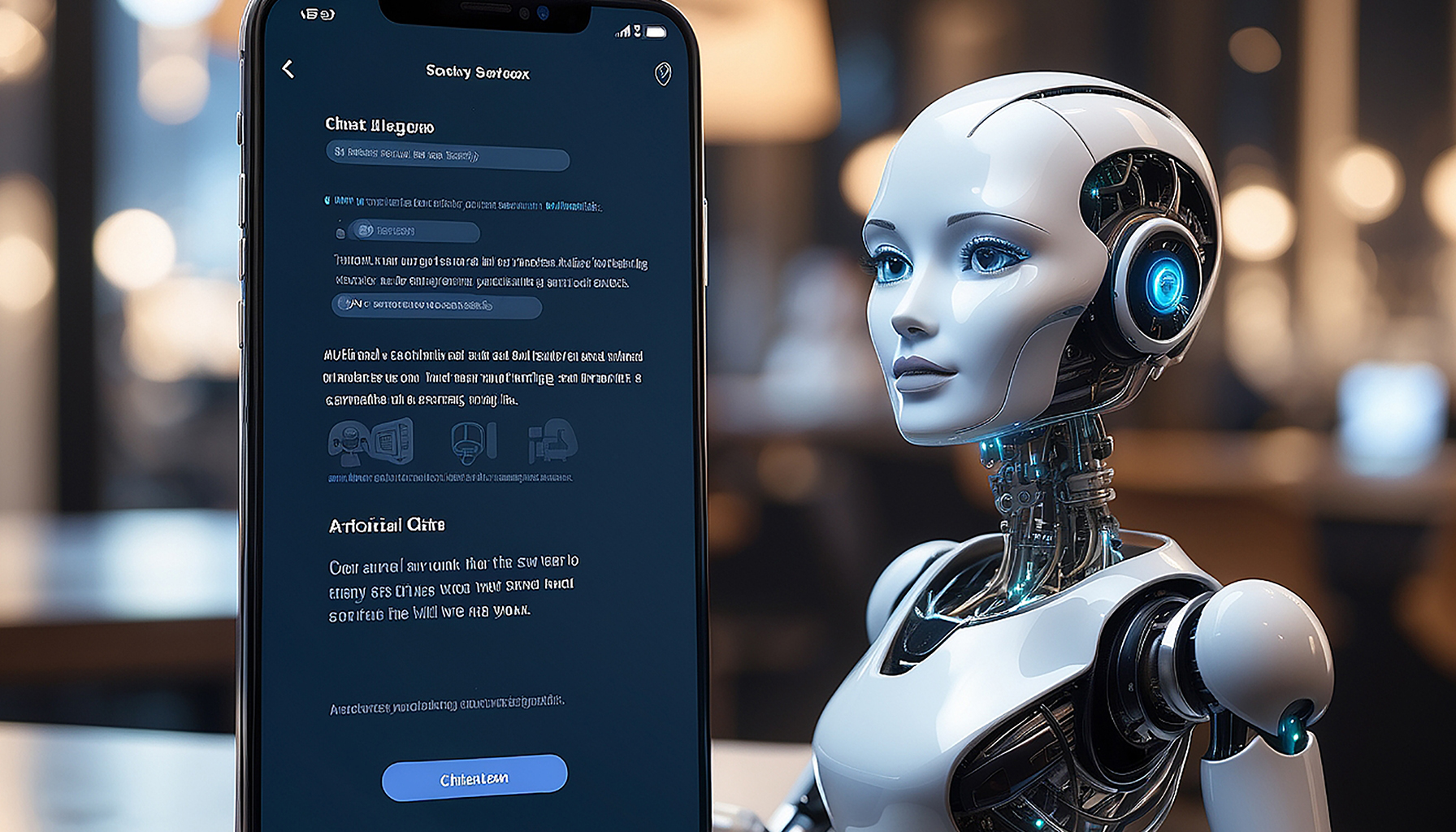
AI powered chatbots have revolutionized the way we interact with mobile applications, transforming customer service, personal assistants, and even e-commerce experiences. With artificial intelligence evolving rapidly, these chatbots are becoming smarter, more intuitive, and capable of handling complex interactions seamlessly. But chatbots are just the beginning—AI technologies in mobile apps are set to redefine user engagement, automation, and decision-making in ways we’ve never seen before.
The Rise of AI in Mobile Applications
Mobile applications have undergone a massive transformation, shifting from static programs to intelligent, responsive tools powered by AI. AI powered chatbots, for instance, enable businesses to provide 24/7 customer support, answer queries in real time, and enhance user experience through personalized recommendations. But beyond chatbots, AI-driven technologies like machine learning, natural language processing (NLP), and computer vision are paving the way for even more advanced mobile experiences.
AI Trends Shaping the Future of Mobile Apps
1-Conversational AI & Voice Assistants
AI-driven voice assistants such as Siri, Google Assistant, and Alexa have set a precedent for voice-based interactions. The future will see mobile apps leveraging voice AI to improve hands-free accessibility, making apps more intuitive and user-friendly.
2-Personalized User Experience
AI is making mobile apps more personalized than ever. From streaming platforms recommending content based on viewing habits to shopping apps predicting what users will buy next, AI algorithms enhance user engagement by understanding behavior patterns.
3-AI-Powered Security
With cybersecurity threats on the rise, AI-based security features such as biometric authentication, facial recognition, and fraud detection are becoming essential for mobile applications. AI continuously learns from user behavior, identifying anomalies and preventing unauthorized access.
4-Automated Customer Support
AI powered chatbots are no longer limited to basic conversations. They now use advanced NLP to understand emotions, detect intent, and provide human-like responses. In the future, these chatbots will seamlessly integrate with mobile apps to offer predictive support, reducing the need for human intervention.
5-Augmented Reality (AR) & AI Integration
AI-powered AR is changing mobile gaming, retail, and real estate industries by creating immersive experiences. Features like virtual try-ons, AI-driven facial filters, and real-time object recognition are becoming mainstream in mobile applications.


